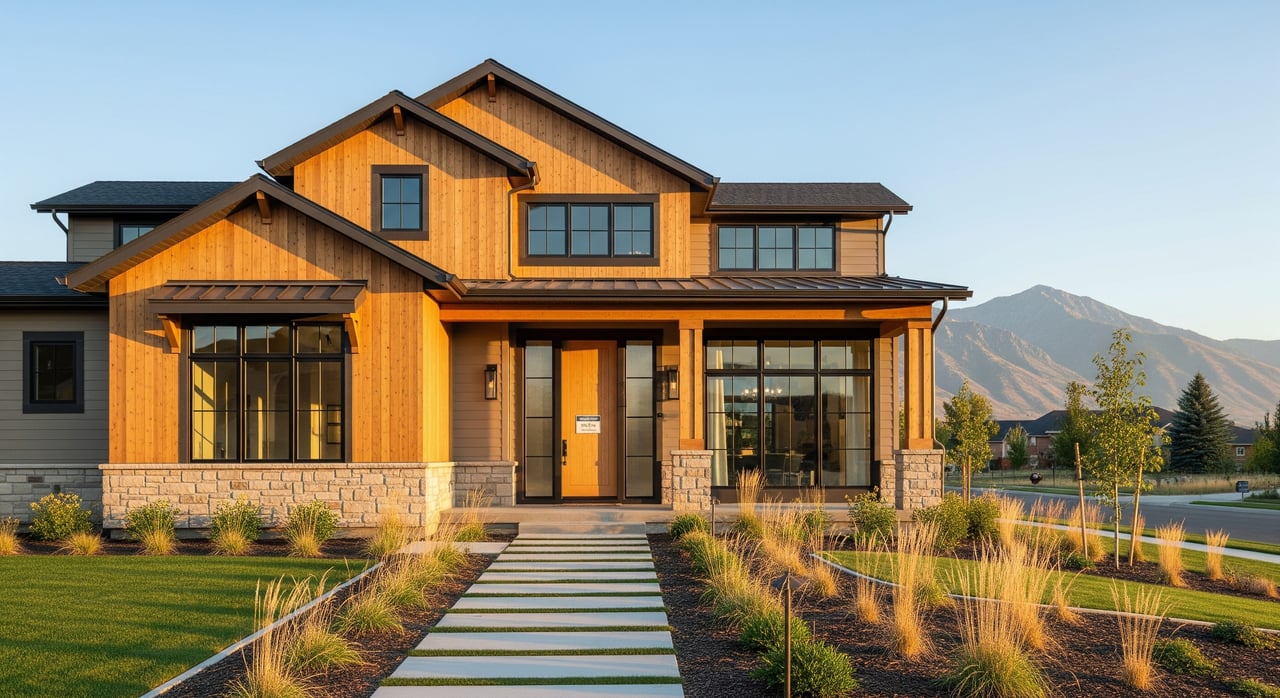
You want to buy your first home in American Fork, but the down payment and loan choices feel overwhelming. You are not alone. The good news is Utah has several first‑time buyer programs that can reduce upfront costs and make monthly payments more manageable. In this guide, you’ll learn the main options that work here in Utah County, what it takes to qualify, and how those choices translate into a real monthly payment at American Fork price points. Let’s dive in.
What “first‑time buyer” means
Most programs consider you a first‑time buyer if you have not owned a home in the past three years. Some options make exceptions for targeted groups or specific areas. You will also see income and purchase‑price limits that change by county, and American Fork falls under Utah County. Always confirm current limits with the program administrator or a participating lender.
The main programs at a glance
Utah Housing Corporation (UHC)
The Utah Housing Corporation is the state’s housing finance agency. UHC offers 30‑year fixed first mortgages and down‑payment assistance that can cover part or all of your down payment and sometimes closing costs. Assistance may be a deferred or repayable second loan; some versions can be forgivable after a period. You must use an approved UHC lender and meet Utah County income and purchase‑price limits.
FHA loans
FHA loans allow low down payments, typically 3.5 percent for qualifying credit profiles. FHA requires upfront and annual mortgage insurance premiums, which add to your payment and often remain for the life of the loan unless you refinance. Many first‑time buyers choose FHA for its flexible credit standards.
VA loans
Eligible service members, veterans, and some military families can use VA home loans with zero down payment and no monthly mortgage insurance. A one‑time funding fee usually applies and can be financed. You will still need to qualify based on income, credit, and property standards.
USDA Rural Development
USDA loans offer zero down payment for eligible properties in designated rural areas. Many neighborhoods in and around American Fork do not qualify due to suburban density, so you need to confirm property eligibility. You can check an address using the USDA eligibility map. Income limits apply.
Conventional low‑down: HomeReady and Home Possible
Conventional programs like Fannie Mae HomeReady and Freddie Mac Home Possible allow down payments as low as 3 percent for qualified buyers. Private mortgage insurance applies with less than 20 percent down, but it can be priced favorably for stronger credit and can be removed later when you reach sufficient equity.
Mortgage Credit Certificate (MCC)
An MCC is a federal tax credit that lets you claim a portion of your annual mortgage interest as a credit against your federal income tax. Availability in Utah varies by agency and program. Learn how the credit works from the IRS overview of Mortgage Credit Certificates, then ask your lender or housing agency if an MCC is currently offered for Utah County buyers.
Local or employer assistance
Cities, counties, and employers sometimes offer additional down‑payment help or closing cost grants. Programs change, so it is smart to check with American Fork or Utah County housing offices, and ask lenders about any current partnerships.
Who qualifies and what lenders check
Income and purchase‑price limits
UHC programs and some conventional options use county‑based limits. Since American Fork is in Utah County, those thresholds apply here and are adjusted periodically. Always review the latest limits with UHC or your lender before you make an offer.
Credit score and debt‑to‑income
- FHA often works with lower credit scores compared to conventional loans.
- Conventional low‑down programs usually require stronger credit for best pricing.
- UHC products may accommodate lower scores than standard conventional loans in some cases.
- Lenders typically target a debt‑to‑income ratio under about 43 to 50 percent, depending on the program and your overall profile.
Occupancy and homebuyer education
Most first‑time buyer programs require you to live in the home as your primary residence. Some assistance programs require a homebuyer education course. You can find counseling options through HUD‑approved housing counseling.
Documents you will need
Be prepared with pay stubs, W‑2s, tax returns, bank statements, ID, job verification, and details on any loans or obligations. If you are using down‑payment assistance, expect to provide any documents the agency requests, such as proof of education completion.
What your payment could look like in American Fork
Below are illustrative examples so you can see how program choice and down payment affect monthly costs at local price points. Assumptions: 30‑year fixed, 6.5 percent interest, property tax at 0.70 percent of price, homeowners insurance at 83 dollars per month, and PMI at 0.50 percent annually on the loan where applicable. HOA is not included.
Scenario A: Entry‑level price point
- Purchase price: 450,000 dollars
- Example program: Conventional 3 percent down (or FHA 3.5 percent down)
- Down payment: 3 percent = 13,500 dollars; loan = 436,500 dollars
- Principal and interest at 6.5 percent: about 2,759 dollars per month
- Property tax: about 263 dollars per month
- Insurance: about 83 dollars per month
- PMI: about 182 dollars per month (conventional; FHA has different MIP)
- Estimated total: about 3,287 dollars per month
Notes: FHA may allow easier credit but includes upfront and monthly MIP, which can increase total cost over time. A UHC loan with down‑payment assistance could reduce your upfront cash at closing.
Scenario B: Mid‑market example
- Purchase price: 600,000 dollars
- Example program: UHC with DPA or conventional 3 percent down
- Down payment: 3 percent = 18,000 dollars; loan = 582,000 dollars
- Principal and interest at 6.5 percent: about 3,680 dollars per month
- Property tax: about 350 dollars per month
- Insurance: about 83 dollars per month
- PMI: about 243 dollars per month
- Estimated total: about 4,356 dollars per month
Scenario C: Higher price point with 20 percent down
- Purchase price: 800,000 dollars
- Example program: Conventional with 20 percent down (no PMI)
- Down payment: 160,000 dollars; loan = 640,000 dollars
- Principal and interest at 6.5 percent: about 4,047 dollars per month
- Property tax: about 467 dollars per month
- Insurance: about 83 dollars per month
- PMI: 0 dollars
- Estimated total: about 4,597 dollars per month
These examples are starting points only. Real rates, insurance, PMI or MIP, taxes, and assistance terms vary by program and by borrower. Always review personalized estimates with a lender.
How to choose the right path
- If you are cash‑constrained: Ask about UHC down‑payment assistance and any local or employer grants. Reducing upfront cash at closing can help you get in the door sooner.
- If your credit is developing: FHA can be more flexible, but model the long‑term cost of MIP compared with conventional PMI that can drop off later.
- If you are eligible for VA: VA zero‑down with no monthly mortgage insurance is often hard to beat.
- If your credit is strong and income fits limits: HomeReady or Home Possible can deliver low down payments with competitive PMI pricing.
- If an MCC is available: A mortgage credit certificate can lower your annual federal tax liability, which improves affordability for some buyers.
Step‑by‑step plan to get started
- Confirm whether you meet a program’s first‑time buyer definition.
- Check current UHC income and purchase‑price limits for Utah County.
- Gather pay stubs, W‑2s, tax returns, bank statements, and ID.
- Complete required homebuyer education if the program calls for it.
- Contact an approved UHC lender or a lender experienced with FHA, VA, HomeReady, or Home Possible to get pre‑approved and ask about DPA and MCC availability.
- Compare total costs: monthly payment, PMI or MIP, closing costs, and DPA terms such as forgivable vs repayable.
- Confirm property eligibility, including condo project approval or USDA rural eligibility if relevant.
- Lock your rate and work with your lender and agent through closing.
Local tips for American Fork buyers
- Limits are county‑based: American Fork is in Utah County, so use those UHC income and price caps. Limits change regularly, so verify before you write an offer.
- Condos need extra checks: Some loans require condo project approval. If you are eyeing a condo in American Fork, have your lender confirm eligibility early.
- Commute and amenity trade‑offs: Access to major employment centers and nearby universities influences where you look and what price points make sense. Clarify your location priorities to balance budget and lifestyle.
Ready to buy with confidence?
Your first home in American Fork can be within reach with the right plan and the right team. If you want a clear path through loan choices, local price dynamics, and property eligibility, let’s talk. Reach out to Maco Realty for tailored guidance, vetted lender introductions, and hands‑on support from first tour to final closing.
Contact Maco Realty to start your first‑home plan today.
FAQs
What is the best first‑time buyer program for American Fork?
- It depends on your credit, income, cash for closing, and eligibility; compare UHC with FHA, VA, and conventional low‑down options to see total costs and fit.
Does Utah Housing Corporation offer down‑payment assistance?
- Yes; UHC often provides assistance that can cover some or all of your down payment and sometimes closing costs, with terms that may be deferred, repayable, or forgivable.
Can I use a VA loan to buy in American Fork?
- If you are eligible through military service, VA loans allow zero down and no monthly mortgage insurance; you still need to meet lender and property standards.
Are USDA loans available in American Fork neighborhoods?
- Many American Fork addresses are not USDA‑eligible due to suburban density; confirm any specific property using the USDA eligibility tool.
What credit score do I need as a first‑time buyer in Utah?
- Requirements vary: FHA can allow lower scores, conventional and some UHC products prefer higher scores; a score above about 620 to 640 generally improves options.
Do I have to live in the home if I use first‑time buyer assistance?
- Most programs require owner‑occupancy, meaning the home must be your primary residence and cannot be used as an investment property.
Is a Mortgage Credit Certificate available and worth it?
- Availability varies by program; if offered and you have federal tax liability, an MCC can reduce your annual taxes and improve affordability for some buyers.